Bell Gardens highlight
Historic working-class character
Manufacturing, transportation and warehousing, and retail are the largest employment sectors, with a median household income of $62,298 and only 21.2 percent of residents owning their homes, reflecting the city's working-class economic profile.
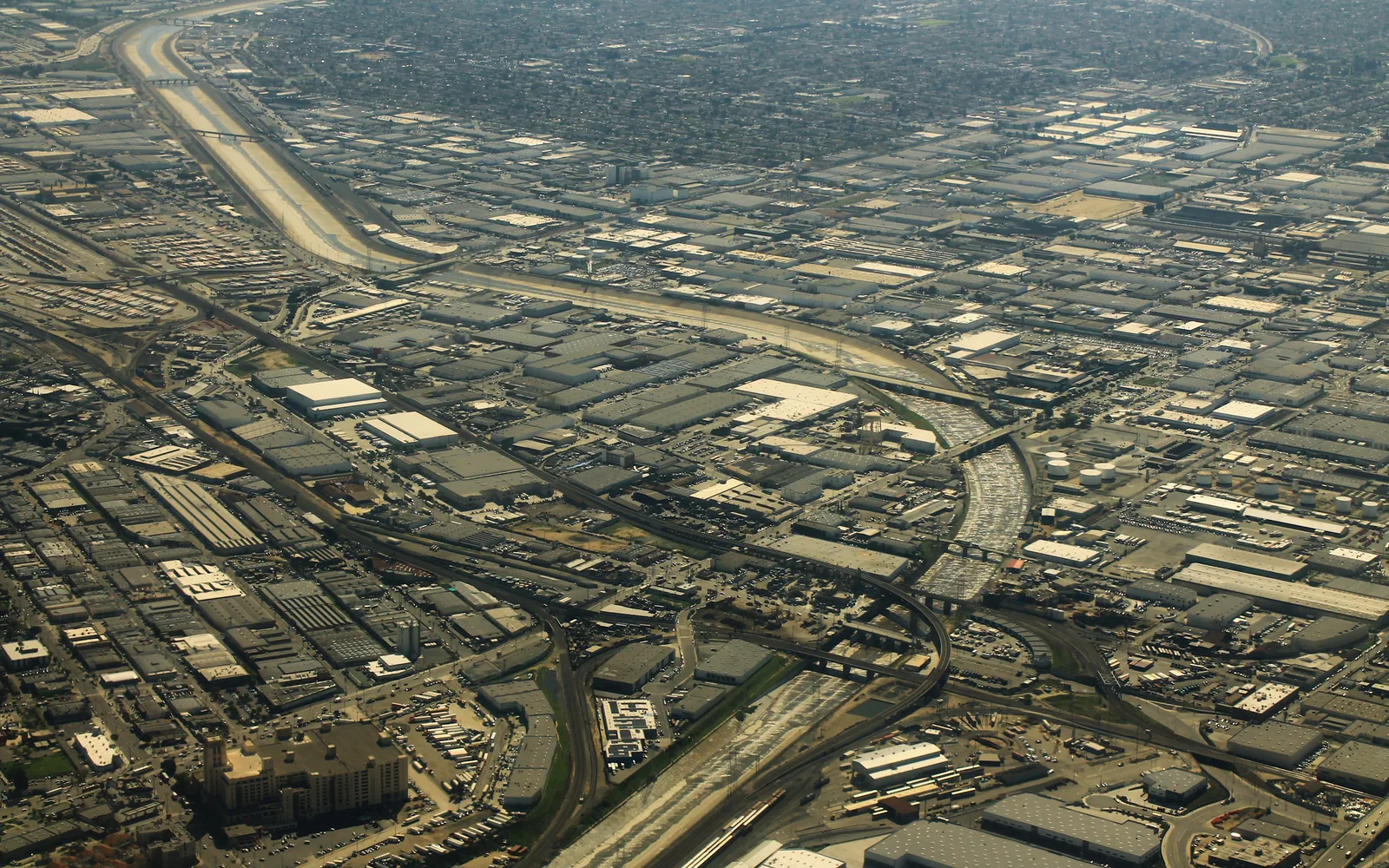
The economy of Bell Gardens is built on industrial work. Manufacturing employs 2,908 people (18 percent of the workforce) as of 2024, followed by transportation and warehousing at 11 percent and retail trade at 10.5 percent. These are jobs that provide income directly tied to physical work, schedules, and the time spent on the job—the kinds of employment where the risk of an unexpected absence becomes a real financial problem.
The median household income in Bell Gardens is $62,298, roughly two-thirds of the Los Angeles-Long Beach-Anaheim metro area average, and 20 percent of residents live below the poverty line. Homeownership stands at 21.2 percent, well below the national average of 65.2 percent, reflecting both affordability constraints and the prevalence of multi-generational households (averaging 3.9 people per dwelling). These numbers describe a community where most people are renters, working-class households are the majority, and financial resilience depends on every income that comes through the door.
When you live one income away from financial stress, and when your household would feel an unexpected gap immediately, the decision to buy life insurance becomes straightforward. A term policy is the most direct tool for that: it replaces income if something happens, it is affordable because it is focused on the years you actually need it, and it is bought in round numbers that fit your real obligations. That is how Bell Gardens already thinks about planning—practically, focused on what matters, and without extra steps.